

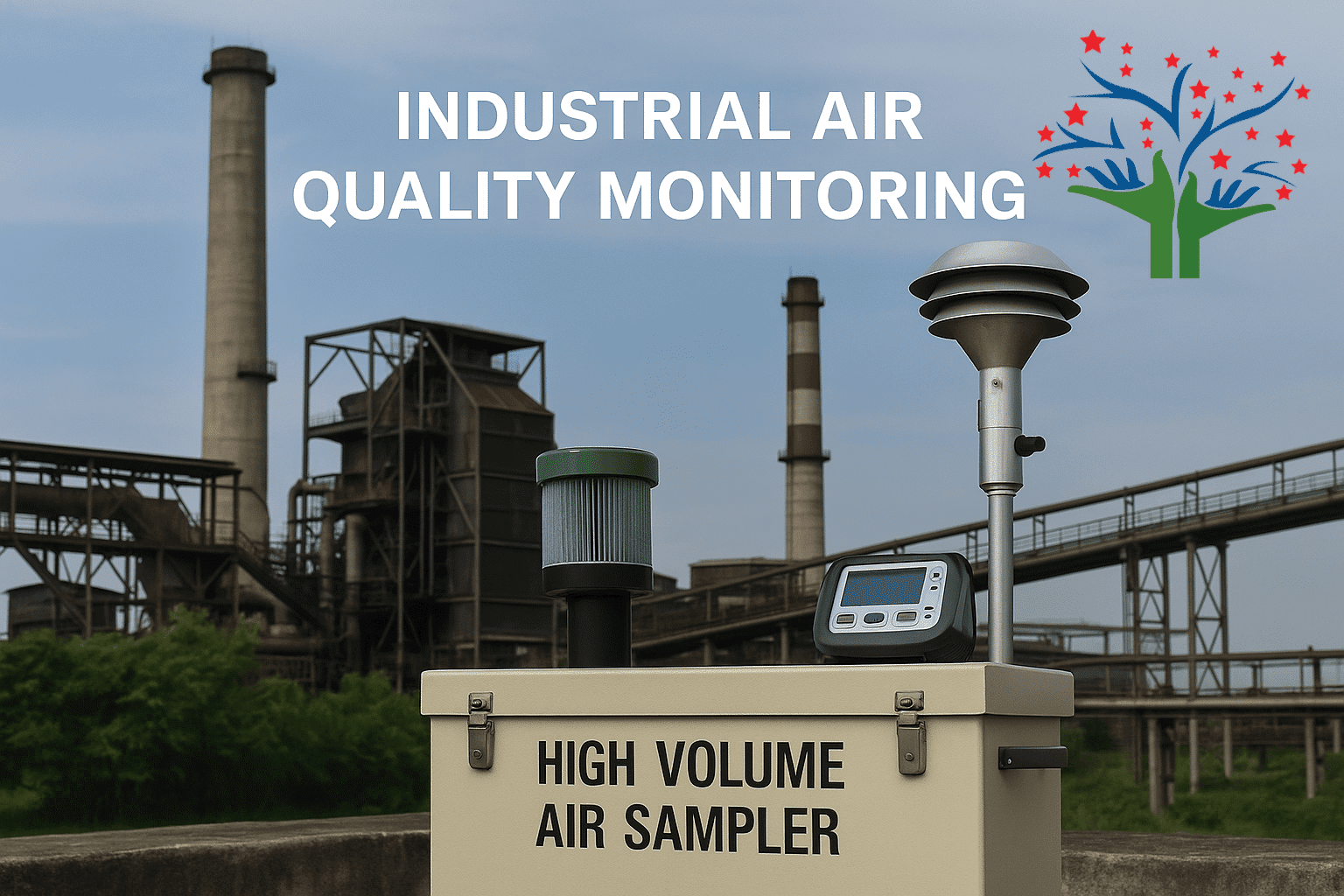
For modern businesses, air quality is no longer just an environmental concern — it’s a compliance obligation with real legal and financial weight. Regulators are tightening particulate matter standards, and the cost of falling short, from fines to shutdowns to reputational damage, is rising. Understanding what’s required, and how to prove you meet it, is now essential for any operation that generates dust.
Why Compliance Is Tightening
Several forces are pushing air quality up the corporate agenda at once.
● Stricter national standards for PM2.5 and PM10
● Greater enforcement and inspection activity
● Growing employee and community expectations
● Investor and ESG scrutiny of environmental performance
Understanding the Standards
Compliance starts with knowing the limits that apply to you. India’s National Ambient Air Quality Standards, published by the Central Pollution Control Board, set legal thresholds for particulate matter, while workplace exposure is governed by separate occupational limits. Meeting these consistently requires continuous measurement, which is exactly what a dust monitor is built to deliver.
The Risk of Getting It Wrong
Non-compliance is expensive. Beyond direct penalties, businesses face operational disruption, legal exposure and lasting damage to their reputation. Continuous monitoring is the most reliable defence — it provides time-stamped evidence that your particle levels stay within the rules, day after day.
Building a Compliance-Ready Setup
The most practical approach is permanent, automated monitoring rather than occasional spot checks. Installing a PM 2.5 dust monitor gives you a continuous record of air quality, ready to present to auditors and regulators at any time. It turns compliance from a worry into a documented, defensible position.
Frequently Asked Questions
What air quality standards do businesses need to meet?
This depends on location and industry, but typically includes national ambient standards for PM2.5 and PM10 plus workplace exposure limits for airborne dust.
How does a dust monitor help with compliance?
It continuously measures and records particle concentrations, giving businesses time-stamped evidence that their air quality stays within legal limits.
What happens if a business fails air quality compliance?
Consequences can include fines, operational restrictions or shutdowns, legal liability and reputational harm — making continuous monitoring a worthwhile safeguard.