

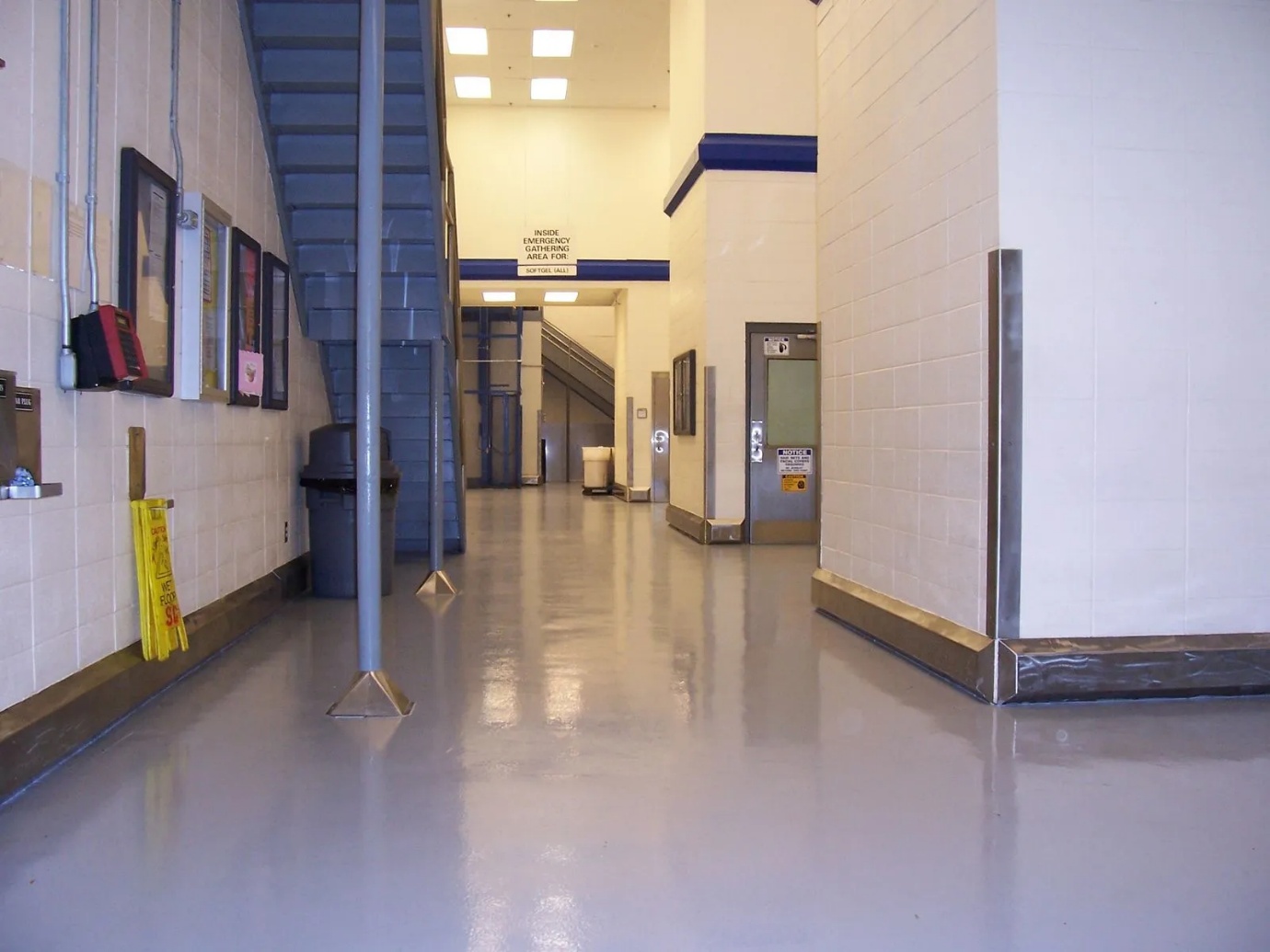
A recently purchased home can come with a garage floor that already looks finished, but appearance does not reveal how well the system was installed. Homeowners comparing flooring contractors charleston sc options may first need to decide whether an existing coating can be maintained, repaired, or should be removed and replaced. That decision starts with the condition of the slab and the coating already on it.
A glossy surface can still hide weak adhesion, poorly repaired cracks, or moisture-related problems. Looking closely before adding another layer can prevent a cosmetic refresh from becoming a short-lived fix.
Check for Peeling at the Edges
Coating failure often begins around doorways, wall edges, expansion joints, or areas where vehicles repeatedly enter and leave. Small lifting sections may indicate local damage, while widespread peeling can suggest poor preparation beneath the system.
For homeowners evaluating garage flooring charleston, these edge areas are useful inspection points because they show how well the coating has bonded through normal use. A sound finish should not depend on loose material underneath.
Look at Tire Paths and Parking Zones
The areas beneath vehicle tires experience repeated heat, pressure, dirt, and turning movement. Discoloration alone may be cosmetic, while flaking or lifting in these zones can point to a deeper adhesion problem.
Compare the parking lanes with less-used corners. If the coating is failing only where tires sit or turn, the installer may need to determine whether the problem is isolated or more widespread.
Inspect Cracks Instead of Ignoring Them
A decorative coating can make cracks less noticeable, but it does not stop concrete from moving. Look for lines that have reopened through the finish or areas where previous repairs have separated.
Some cracks may be stable, while joints and active movement need different treatment. A professional assessment should distinguish between cosmetic cracking, slab movement, and failed repair material before recommending the next step.
Check for Moisture Clues
Charleston’s humid conditions make moisture worth considering, but the visible surface does not tell the whole story. White residue, bubbling, dark patches, or repeated lifting can justify further investigation.
Moisture testing may be appropriate when the slab history or coating condition raises concerns. A new topcoat should not be used to hide active water intrusion, leaks, or drainage problems.
Find Out What System Is Already There
Not every garage coating is built the same way. An older DIY paint, thin coating, epoxy system, or epoxy-plus-polyaspartic build can each require a different repair or removal approach.
If previous installation records are available, keep them. Product names, installation dates, and warranty information can help a contractor understand what is already on the slab.
Decide Whether Spot Repair Is Realistic
A small chip or locally damaged section may be suitable for repair when the surrounding coating remains firmly bonded. Widespread peeling, extensive cracking, or multiple weak areas may make full removal more practical.
Color matching should also be considered. Decorative flake blends and older coatings can be difficult to match exactly after years of wear or UV exposure.
Consider the Next Finish Before Removal Begins
If the existing system needs replacement, decide what the garage will be used for before choosing another finish. Parking, storage, workshop activities, home-gym use, and frequent cleaning can all affect texture and topcoat choices.
Mechanical diamond grinding is commonly used to remove weak coatings and create a suitable profile for a new resin system. Cracks and divots can then be repaired before new layers are installed.
Decorative flake systems can provide visual variation, while a compatible polyaspartic clear coat can be used as part of some garage-floor systems.
Review Cleaning and Maintenance Habits
An inherited garage floor may have been cleaned with unknown products. Aggressive chemicals, abrasive pads, or neglected grit can influence how the finish looks.
Before deciding that dullness means failure, clean the floor using a method suitable for the existing system. Surface contamination and true coating damage are not the same problem.
Conclusion
An existing coated garage floor should be assessed before it is automatically covered or replaced. Edge adhesion, tire paths, cracks, moisture clues, system type, repairability, and maintenance history can all reveal whether the floor still has useful life.
For a new homeowner, this inspection can turn an uncertain inherited surface into a clear maintenance or renovation plan. The right decision may be a small repair, a refreshed protective layer, or complete removal and replacement, but it should be based on what the slab and coating are actually showing.