
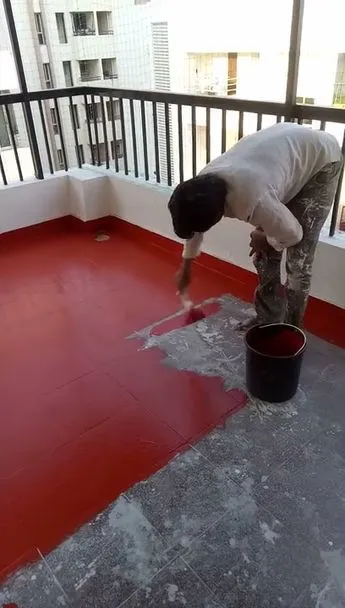
Painting an ageing concrete floor can seem like a simple way to refresh a tired room. However, a new colour will not necessarily resolve the problems responsible for its deteriorating appearance. Cracks, embedded stains, moisture and previous surface treatments can all affect the outcome of a renovation. Property owners considering an epoxy floor coating should begin by examining the condition of the existing slab. Understanding when a surface needs preparation, repair or professional assessment can prevent unnecessary expenditure and help achieve a finish that suits the property’s daily requirements.
Understand the Difference Between Paint and Epoxy
Ordinary concrete paint generally provides a relatively thin decorative layer. Although suitable products can improve appearance, they may struggle under demanding conditions involving vehicle movement, equipment and repeated abrasion.
Epoxy systems work differently. A resin and hardener react to form a protective coating that bonds to appropriately prepared concrete. Product quality, application thickness and substrate condition influence performance, so the correct system depends on the intended environment.
Recognise Signs of Existing Floor Damage
A concrete surface may appear suitable for painting from a distance while hiding problems that need attention. Loose patches, widening cracks and persistent dampness are particularly important warning signs.
Property owners should examine areas around doorways, equipment and previously repaired sections. Damage that continues developing may indicate movement or moisture concerns requiring further investigation. Covering these problems without treatment can create additional difficulties later.
Why Preparation Has Such an Important Role
Coating materials need a clean and suitably textured surface to achieve dependable adhesion. Dirt, oil, old sealers and weak surface material can interfere with bonding even when the concrete looks reasonably clean.
Mechanical grinding is commonly used to create an appropriate surface profile. Contractors may also repair damaged sections and evaluate moisture conditions before applying a finish. The preparation method should follow the requirements of the coating manufacturer.
Match the Finish to the Room’s Purpose
Not every room requires the same performance characteristics. Residential workshops may need resistance to moderate abrasion, while utility spaces could benefit from finishes that tolerate regular cleaning.
An epoxy floor can be suitable for various concrete areas, but its formulation should match expected traffic, chemical exposure and other conditions. Some spaces may require additional texture or a different protective system. The intended use must guide material selection.
Consider the Appearance of the Finished Surface
Surface colour can influence how spacious and welcoming a room feels. Light grey finishes may complement contemporary interiors, while darker tones can create contrast with pale walls and furnishings.
Decorative flakes offer another possibility, providing a patterned appearance that can make minor dirt less noticeable. Samples should be assessed under the room’s actual lighting. The preferred appearance should also be compatible with practical needs such as traction and routine cleaning.
Understand Moisture Before Installation
Moisture can affect flooring even when the concrete surface appears dry. Water vapour moving through a slab may contribute to blistering or adhesion problems in coating systems that are unsuitable for the conditions.
An appropriate assessment can identify whether additional testing or treatment is necessary. Drainage problems and water leaks should be addressed separately rather than expecting a decorative coating to solve them.
Compare Quotes Beyond the Final Price
Two flooring quotations may include different preparation procedures, repair allowances and coating specifications. Comparing only the total price can therefore be misleading.
Ask which products will be installed, how existing damage will be treated and what curing period is required. Written details about surface preparation, expected access restrictions and maintenance can make proposals easier to compare and reduce misunderstandings.
Allow Enough Time for Curing
A floor that feels dry may not yet be ready for heavy use. Coating systems have different curing requirements, influenced by temperature, product formulation and installation conditions.
Returning furniture, machinery or vehicles too early can damage the finish. Property owners should follow the installer’s written guidance regarding foot traffic, heavy loads and cleaning. Appropriate ventilation and access restrictions also deserve attention during installation.
Maintain the Floor After Renovation
A protective coating reduces certain maintenance challenges but does not eliminate the need for cleaning. Loose grit should be removed regularly, and spills should be addressed before they remain on the surface for extended periods.
Avoid harsh chemicals unless their compatibility has been confirmed. Periodic inspections can reveal scratches, damaged joints or localised coating wear. Early attention to these issues may prevent more extensive repairs.
Conclusion
An ageing concrete floor deserves proper assessment before receiving another decorative finish. Surface contamination, structural concerns, moisture and previous coatings can all influence whether a renovation succeeds. Choosing an appropriate system requires balancing preparation, appearance, intended use and long-term maintenance. For homeowners and businesses exploring concrete flooring improvements in Melbourne, johnsonsflooring.com.au provides information about professional epoxy coating and surface preparation services. Rather than relying on a quick cosmetic change, property owners can make informed decisions that support a cleaner, more functional surface while reducing the risk of avoidable installation problems.